Solution
A. Understanding the user
When constructing these user scenarios I asked myself these questions:
Who is the user?
What are they looking for?
What critical information would they need?
Although the nature of the project did not allow for user interviews, I put together brief user personas and scenarios to guide my design.
TYLER LEE
Tyler just quit his consulting job and plans to launch a tech start-up that conducts financial analyses of stocks. None of his 2 co-founders are technical experts, but have an abundance of business experience.
Goals:
He had heard of Def Method briefly, but wants to learn more about how Def Method works with clients. He's seeking a team that can conduct a Product Discovery session and develop a MVP for his start-up idea.
JANE CHARLES
Jane is the executive director of the digital product team for Walmart. She’s leading the new online shopping feature and would like to outsource developers to create it.
Goals:
She’s scouting and researching which company to ask. She has a list of 5 potential companies in New York. Jane understands that working with a large company will differ from a start-up and wants to find a software consulting firm that is experienced with working with larger companies.
B. The Landing Page
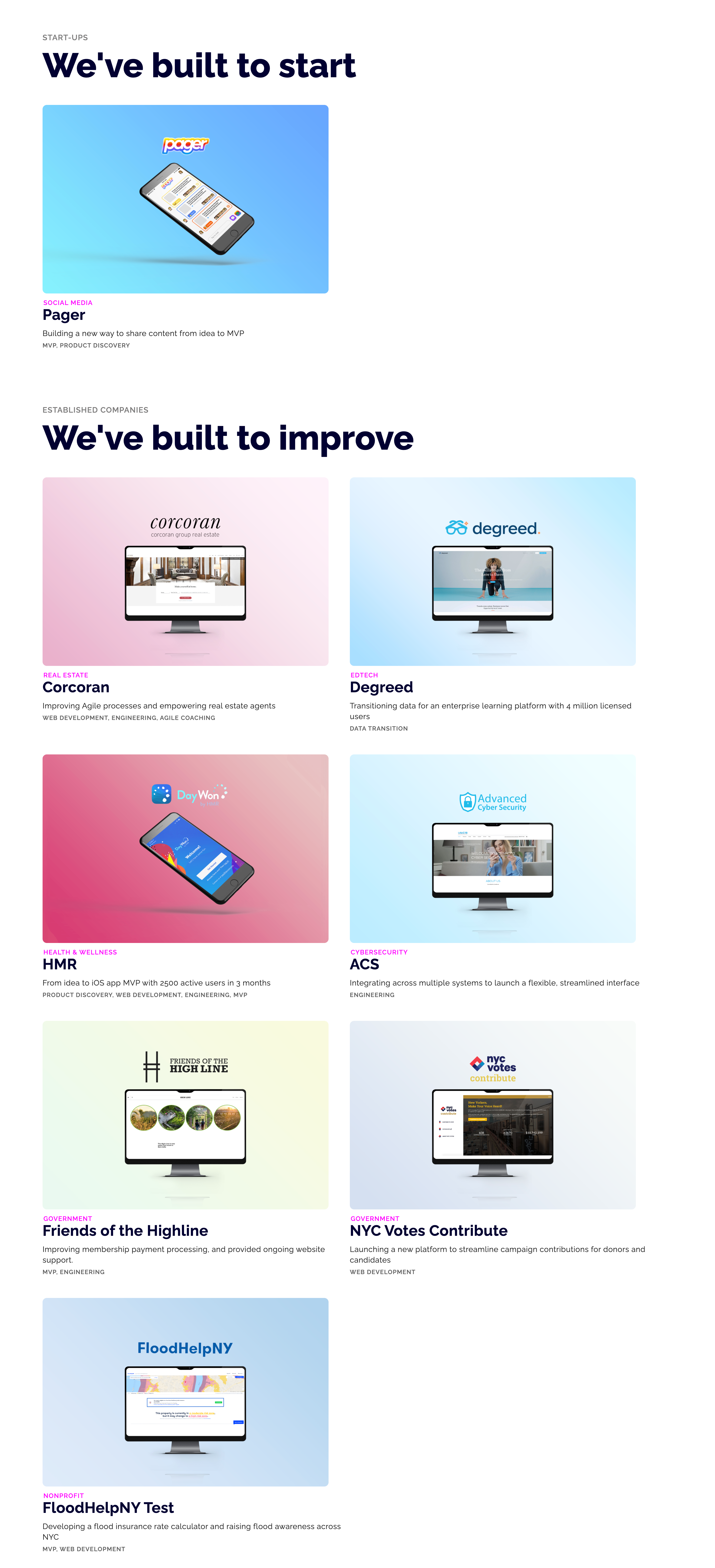
Organizing by section
The two, major types of clients Def Method often works with are start-ups and established companies. By organizing the case studies into these two sections, it allows the user to easily find case studies on clients similar to them.
Specifying Service
Labels indicating the specific service provided easily leads the user to the most relevant case study to the service they are looking for. Additionally, the client can also select a case study based on the industry of the client. This idea came up when I created a pitch deck covering a previous project for a client that wanted a very similar product.
Industry Experience
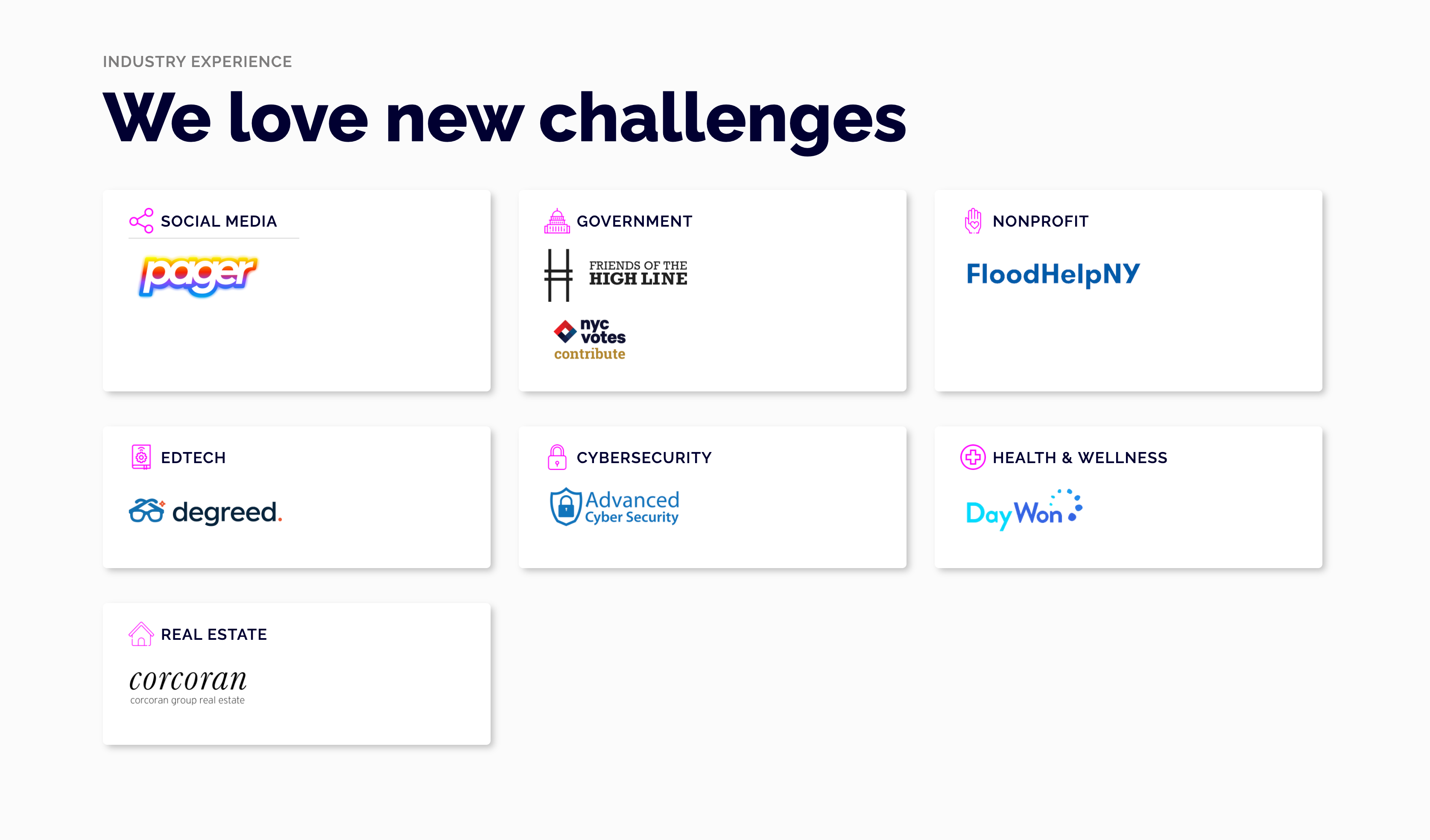
In order to highlight Def Method's diverse client and industry experience, I developed a visual section at the bottom of the page to showcase this easily. With a visual representation of the industry and clients, it allows potential clients to easily navigate the page by similar clients and the industries of interest.
I leveraged the fact that logos are often more easily recognized and memorable vs. purely written out company names.
C. Individual Case Studies
A Summary at a glance
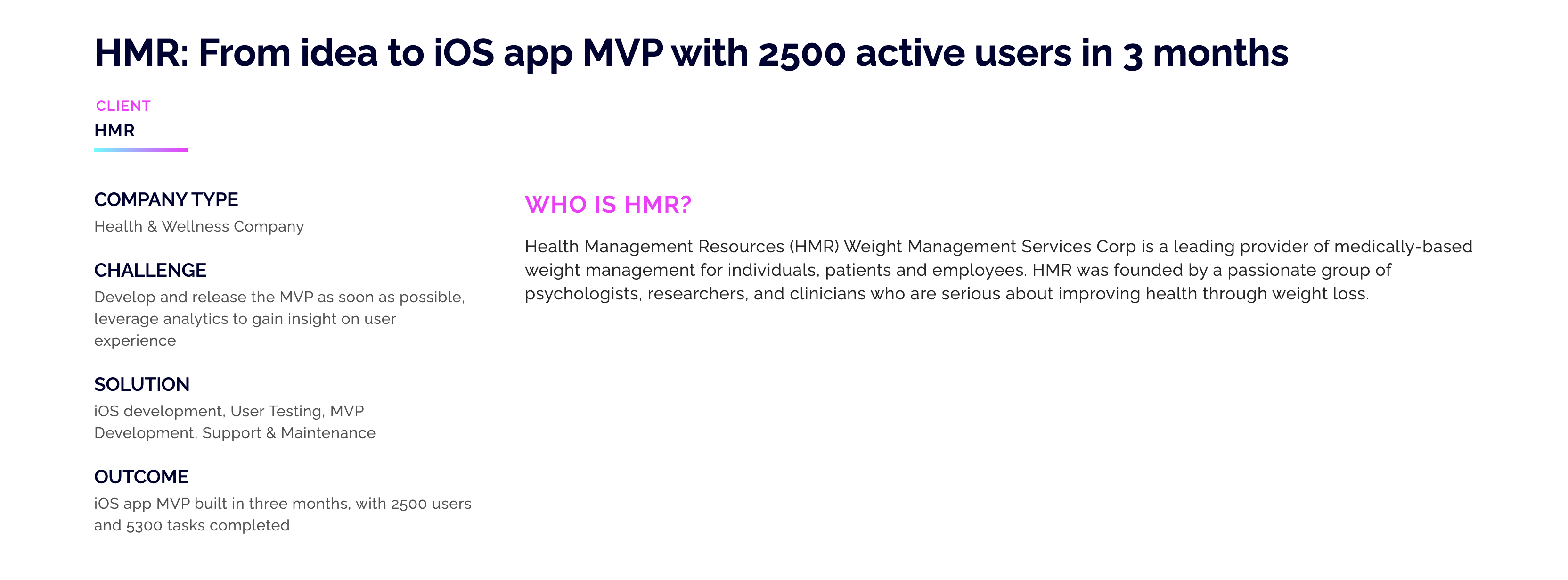
Conciseness was key in the design. I incorporated a summary section listing the problem, solution, outcome, and client in one shot.
Inspiration was drawn from ThoughtBot's website.
Show, don't tell
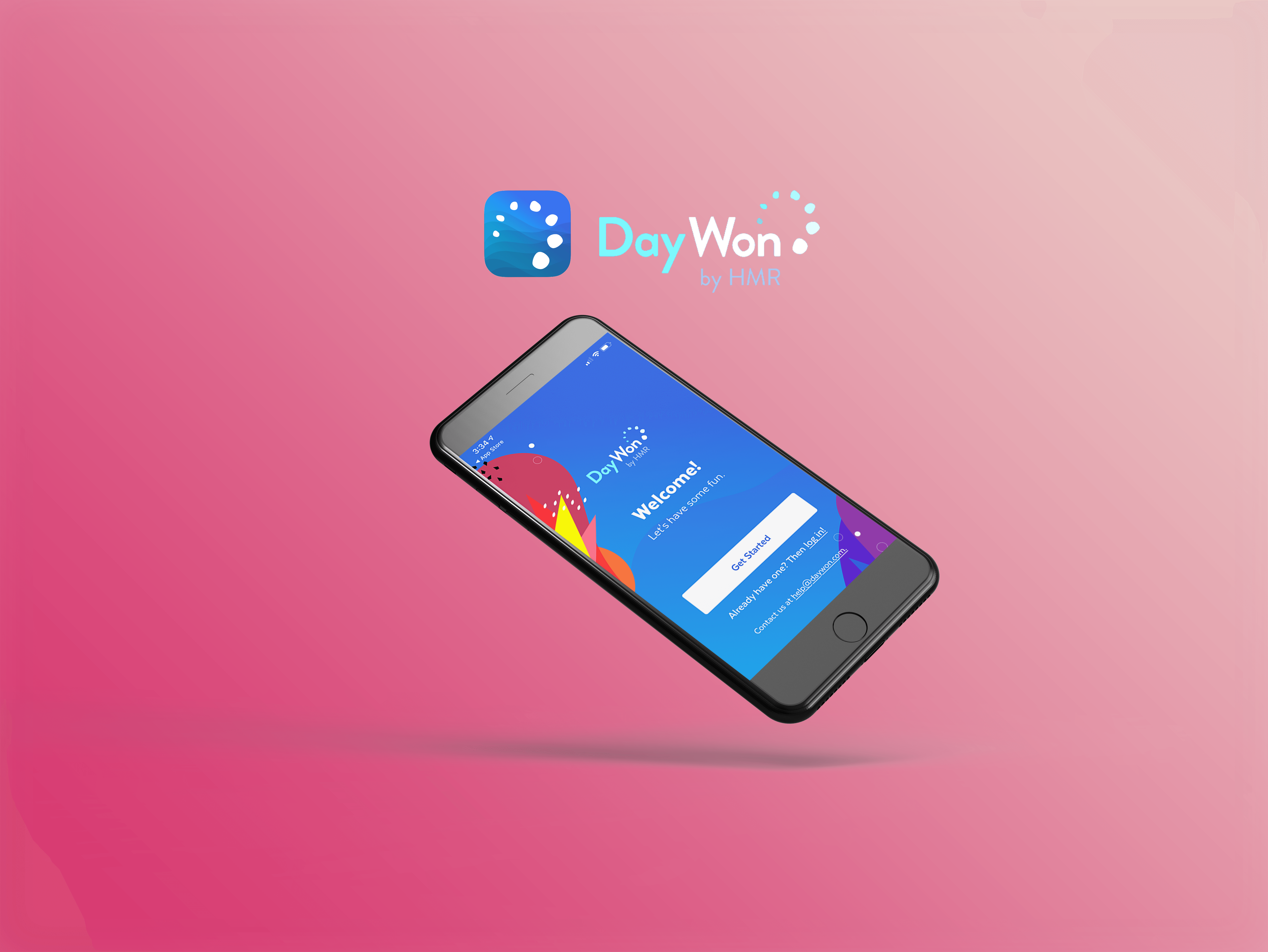
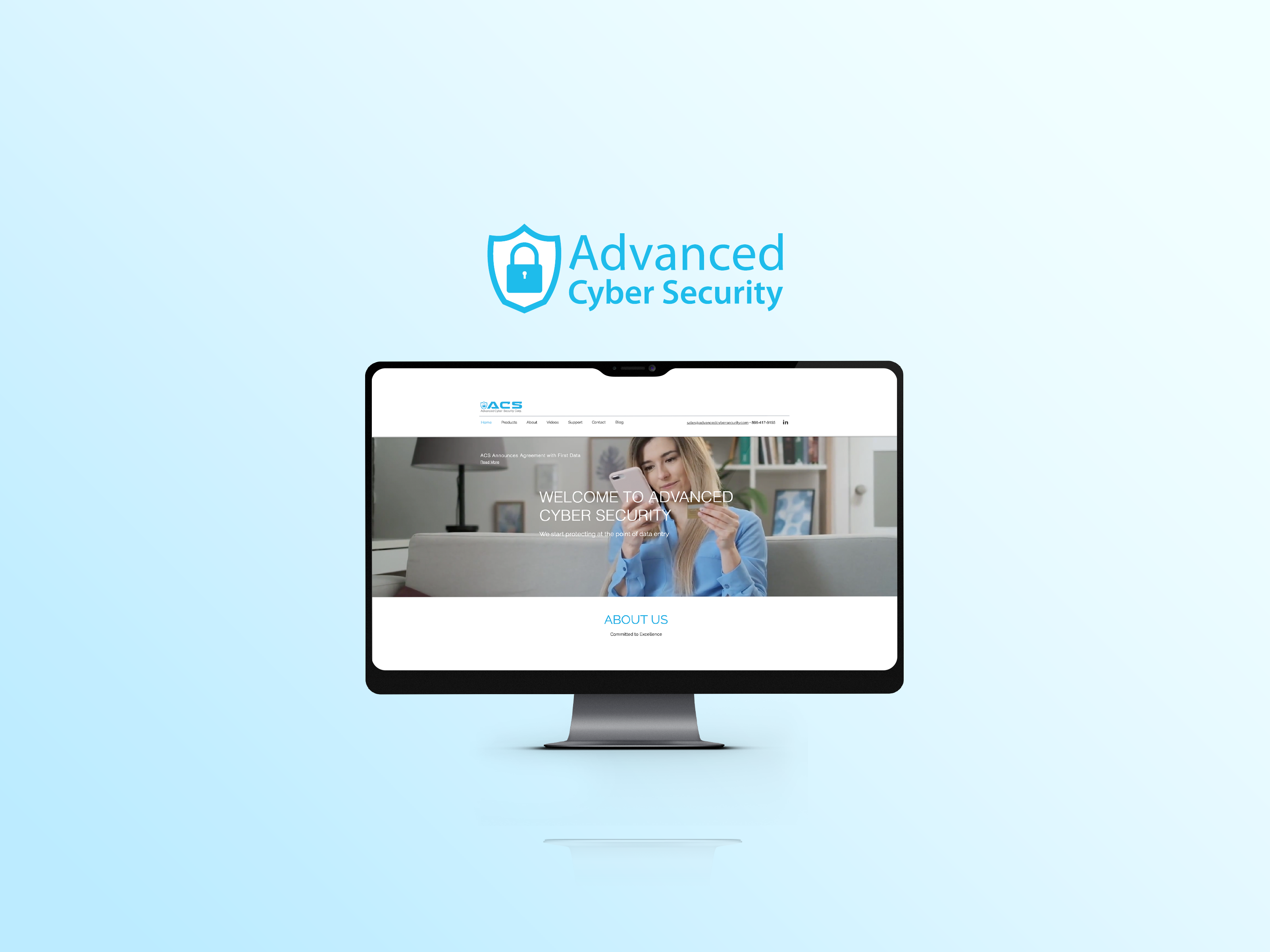
I focused on showcasing the projects in a consistent, but exciting and visual manner. Each case study opened with a mock-up and the detailed problem, solution, and outcome sections incorporated close-up screens of the product.
I opened with product mockup headers to add dynamic to the projects.
P.S. give 'em a hover and click for more shots!